Advancements in Farming Technology: How Genetics and Heredity are Revolutionizing Agriculture
Category : | Sub Category : Posted on 2024-10-05 22:25:23
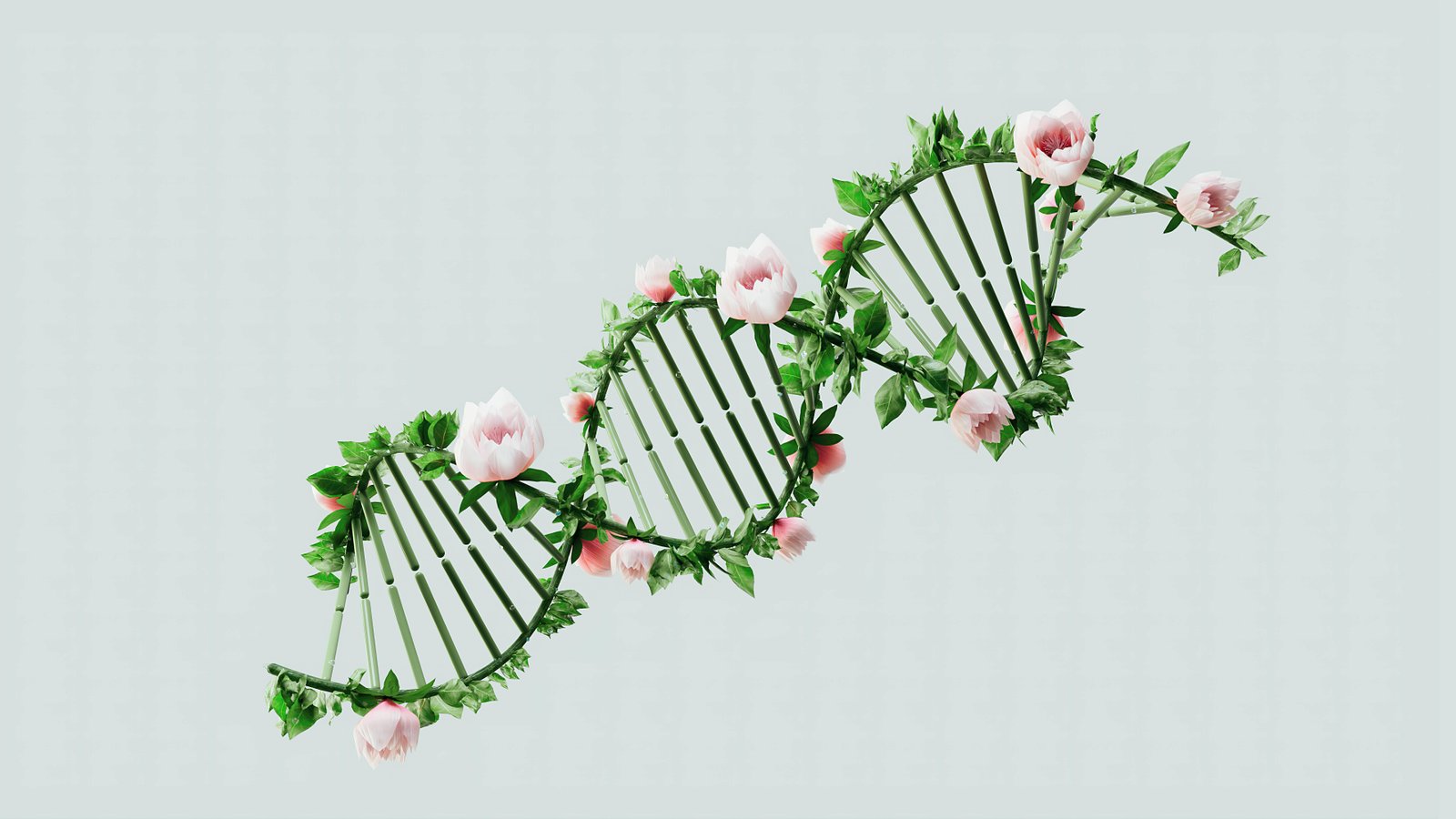
In recent years, the field of agriculture has seen significant advancements in farming technology, with genetics and heredity playing a crucial role in revolutionizing the way we grow crops and raise livestock. The use of genetics and heredity in farming has not only increased crop yields and improved animal health but has also helped in developing more sustainable and resilient farming practices. One of the key ways in which genetics and heredity have impacted agriculture is through the development of genetically modified organisms (GMOs). GMOs are created by altering the genetic makeup of plants or animals to give them desirable traits, such as pest resistance, increased yield, or better nutrient content. These genetically modified crops and livestock have helped farmers to overcome various challenges, such as pests, diseases, and changing environmental conditions, ultimately leading to higher productivity and reduced losses. Another important application of genetics in farming technology is selective breeding. By selectively breeding plants and animals with desirable traits, farmers can pass on those traits to future generations, leading to improved crops and livestock. This has been a common practice in agriculture for centuries, but advances in genetic technologies have made it easier to identify and select for specific genes that contribute to desirable traits. Moreover, genetics and heredity have also played a role in the development of precision agriculture. By using technologies such as GPS, sensors, and drones, farmers can collect data on their crops and fields to make more informed decisions about planting, irrigation, fertilization, and pest control. This data-driven approach allows farmers to optimize their resources, reduce waste, and maximize yields, ultimately leading to more sustainable and efficient farming practices. Furthermore, genetic research has led to the development of disease-resistant crops and livestock, reducing the need for chemical pesticides and antibiotics. By breeding plants and animals with natural resistance to diseases, farmers can ensure healthier and more sustainable production systems. In conclusion, the integration of genetics and heredity in farming technology has brought about significant advancements in agriculture, improving crop yields, animal health, and sustainability. As technology continues to evolve, we can expect further innovations that will help farmers meet the challenges of a growing population and a changing climate. By harnessing the power of genetics and heredity, we can create a more resilient and efficient food system for the future. sources: https://www.s6s.org
Leave a Comment:
SEARCH
Recent News
- The Role of Genetics in Wildlife Conservation
- In the vibrant city of Vancouver, Canada, genetics is a burgeoning field that is seeing a surge in innovation and growth. With a strong focus on healthcare and technology, Vancouver is becoming a hub for genetics startups that are revolutionizing the way we approach healthcare and personalized medicine. In this article, we will take a look at some of the top genetics startups in Vancouver that are making waves in the industry.
- Genetics Research in Tunisia: Advancements and Opportunities
- Genetics Trends: What's Next in the World of Genetics
- Tokyo is a vibrant hub of innovation and technology, making it a prime location for startups in various industries. When it comes to genetics and biotechnology, Tokyo is home to a number of cutting-edge startups that are pushing the boundaries of genetic research and application.
- Genetic testing and inspection standards play a crucial role in ensuring the accuracy, reliability, and ethical use of genetic information. With advancements in technology and the increasing popularity of direct-to-consumer genetic testing, it is important to have established standards in place to protect individuals' privacy and ensure the quality of genetic testing results.
- Sudanese culture is a rich tapestry woven from a diverse blend of influences, including genetics. The people of Sudan have a unique genetic heritage that has been shaped by centuries of interactions with various cultures and civilizations. This genetic diversity is reflected in the physical characteristics of Sudanese individuals, as well as in their cultural practices and traditions.
- Genetics and Subconscious Mind Reprogramming: The Key to Unlocking Your Potential
READ MORE
9 months ago Category :

The Role of Genetics in Wildlife Conservation
Read More →9 months ago Category :

In the vibrant city of Vancouver, Canada, genetics is a burgeoning field that is seeing a surge in innovation and growth. With a strong focus on healthcare and technology, Vancouver is becoming a hub for genetics startups that are revolutionizing the way we approach healthcare and personalized medicine. In this article, we will take a look at some of the top genetics startups in Vancouver that are making waves in the industry.
Read More →9 months ago Category :

Genetics Research in Tunisia: Advancements and Opportunities
Read More →9 months ago Category :
