The Role of Genetics and Women in Politics
Category : | Sub Category : Posted on 2024-10-05 22:25:23
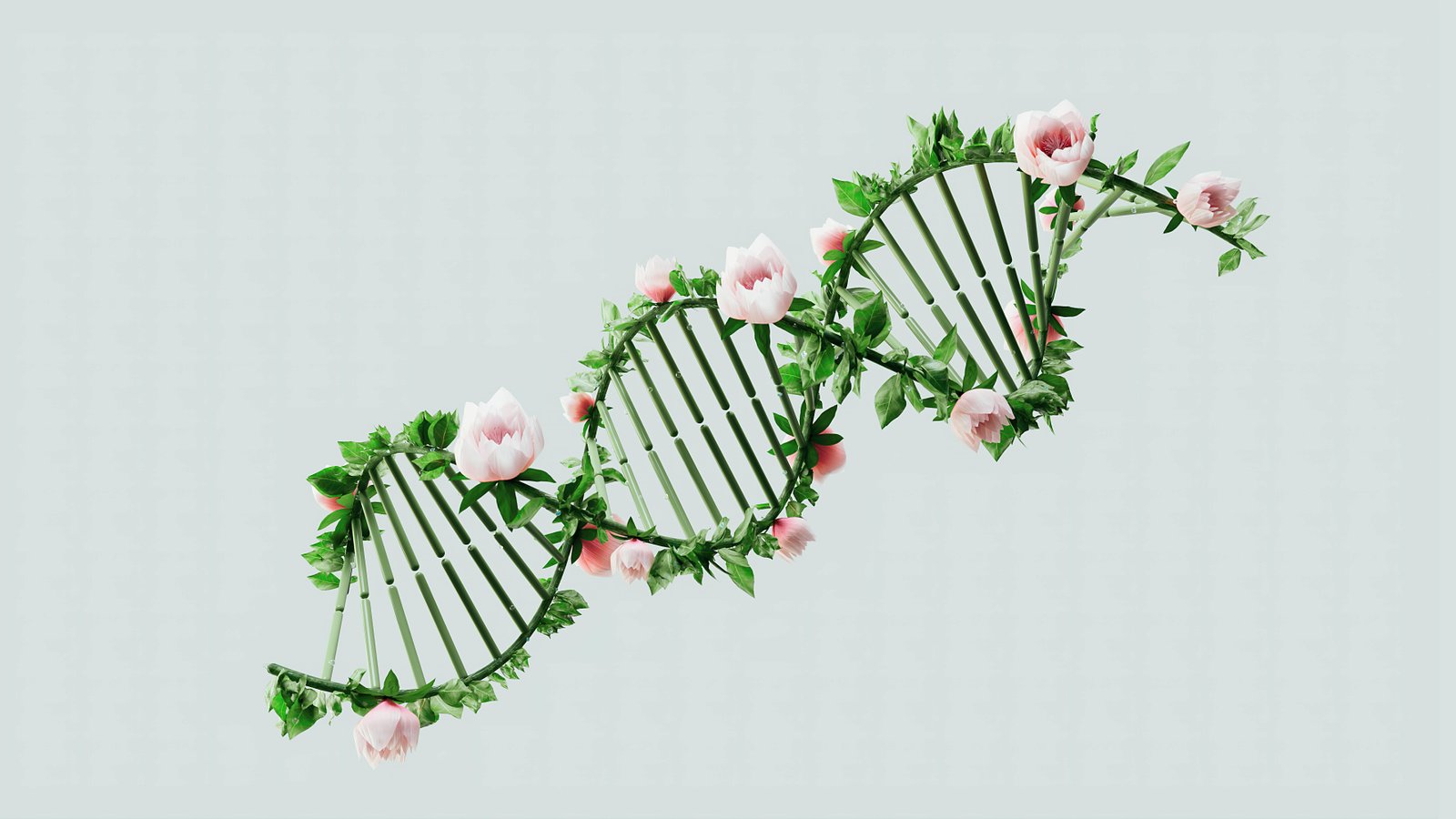
In the world of politics, barriers have been broken and progress has been made in terms of equality and representation. Women have increasingly taken on leadership roles and have made significant contributions to shaping public policies and decision-making processes. At the same time, advancements in the field of genetics and heredity have shed light on the complex interplay between genetics and behavior, including traits that may influence one's inclination towards pursuits such as politics and leadership. When it comes to women in politics, societal expectations, cultural norms, and historical barriers have played a significant role in shaping women's participation and representation in the political arena. However, recent studies have also explored the potential role of genetics and heredity in influencing traits associated with leadership, risk-taking, and political engagement. Research in the field of behavioral genetics suggests that certain genetic variations may predispose individuals to exhibit traits such as ambition, assertiveness, and willingness to take on leadership roles. While genetics alone do not determine one's fate or abilities, they may interact with environmental factors to shape individual tendencies and inclinations. In the context of women in politics, understanding the role of genetics and heredity can provide valuable insights into the factors that influence women's participation in political processes. By recognizing the potential genetic underpinnings of traits associated with political engagement, policymakers and stakeholders can work towards creating environments that support and empower women to pursue political careers and leadership roles. Moreover, acknowledging the role of genetics in shaping behavioral traits can also contribute to a more nuanced understanding of diversity and representation in politics. By recognizing that individuals may possess different genetic predispositions towards leadership and political engagement, we can move towards creating more inclusive and equitable political systems that value diverse perspectives and contributions. In conclusion, the intersection of genetics, heredity, and women in politics is a complex and multifaceted topic that warrants further exploration and research. By recognizing and understanding the potential role of genetics in influencing individual traits and behaviors, we can work towards creating a more inclusive and representative political landscape that empowers women to actively participate in shaping the future of governance and decision-making. To understand this better, read https://www.s6s.org More about this subject in https://www.enemigo.org
Leave a Comment:
SEARCH
Recent News
- The Role of Genetics in Wildlife Conservation
- In the vibrant city of Vancouver, Canada, genetics is a burgeoning field that is seeing a surge in innovation and growth. With a strong focus on healthcare and technology, Vancouver is becoming a hub for genetics startups that are revolutionizing the way we approach healthcare and personalized medicine. In this article, we will take a look at some of the top genetics startups in Vancouver that are making waves in the industry.
- Genetics Research in Tunisia: Advancements and Opportunities
- Genetics Trends: What's Next in the World of Genetics
- Tokyo is a vibrant hub of innovation and technology, making it a prime location for startups in various industries. When it comes to genetics and biotechnology, Tokyo is home to a number of cutting-edge startups that are pushing the boundaries of genetic research and application.
- Genetic testing and inspection standards play a crucial role in ensuring the accuracy, reliability, and ethical use of genetic information. With advancements in technology and the increasing popularity of direct-to-consumer genetic testing, it is important to have established standards in place to protect individuals' privacy and ensure the quality of genetic testing results.
- Sudanese culture is a rich tapestry woven from a diverse blend of influences, including genetics. The people of Sudan have a unique genetic heritage that has been shaped by centuries of interactions with various cultures and civilizations. This genetic diversity is reflected in the physical characteristics of Sudanese individuals, as well as in their cultural practices and traditions.
- Genetics and Subconscious Mind Reprogramming: The Key to Unlocking Your Potential
READ MORE
9 months ago Category :

The Role of Genetics in Wildlife Conservation
Read More →9 months ago Category :

In the vibrant city of Vancouver, Canada, genetics is a burgeoning field that is seeing a surge in innovation and growth. With a strong focus on healthcare and technology, Vancouver is becoming a hub for genetics startups that are revolutionizing the way we approach healthcare and personalized medicine. In this article, we will take a look at some of the top genetics startups in Vancouver that are making waves in the industry.
Read More →9 months ago Category :

Genetics Research in Tunisia: Advancements and Opportunities
Read More →9 months ago Category :
