How Internet of Things Technology is Transforming Kitchens and Shaping Culinary Genetics
Category : | Sub Category : Posted on 2024-10-05 22:25:23
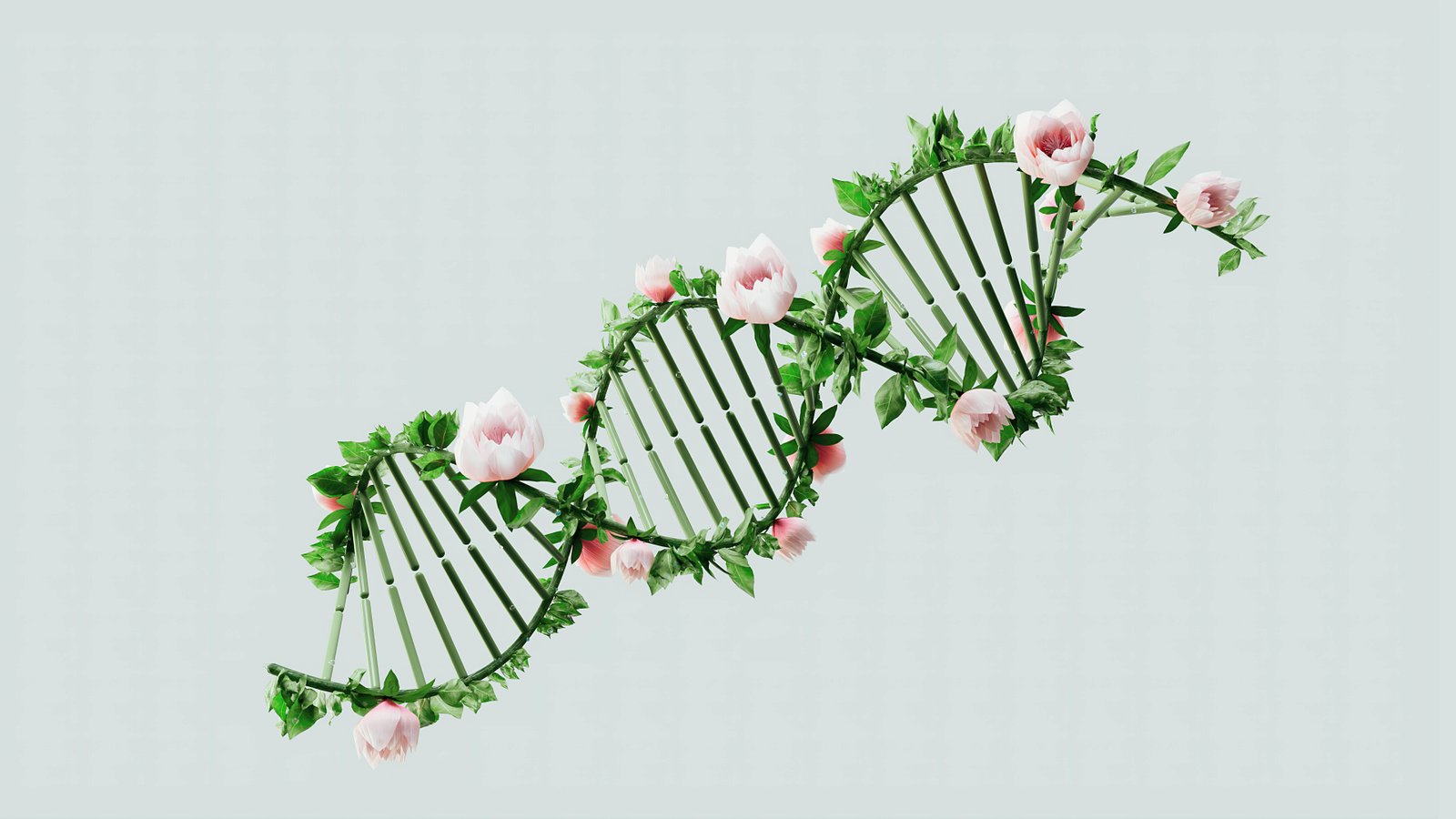
In recent years, the fusion of Internet of Things (IoT) technology with traditional kitchen appliances has brought about a revolution in the way we cook, eat, and think about food. At the same time, advancements in genetics and heredity have shed light on how our genetic makeup influences our food preferences and dietary needs. Let's explore how these two seemingly unrelated fields are coming together to reshape the culinary landscape. IoT technology has made smart kitchens a reality, with connected devices and appliances enabling an unprecedented level of convenience, efficiency, and control. From smart refrigerators that can keep track of food inventory and suggest recipes based on available ingredients to intelligent ovens that can be controlled remotely via smartphone apps, the kitchen of the future is designed to make cooking easier and more enjoyable. But the impact of IoT technology goes beyond just convenience. By collecting and analyzing data on our cooking habits, dietary preferences, and nutritional intake, smart kitchen devices can help us make more informed decisions about our diet and health. Imagine a refrigerator that can recommend personalized meal plans based on your genetic predispositions to certain health conditions or nutrient requirements. This intersection of IoT technology and genetics holds the promise of revolutionizing how we approach nutrition and wellness. Speaking of genetics, research in the field of genetics and heredity has revealed fascinating insights into how our genes influence our food preferences and metabolism. Certain genetic variations can affect how we taste and perceive flavors, leading to individual differences in food preferences and cravings. Additionally, our genes play a role in how our bodies metabolize nutrients, impacting our dietary needs and responses to different foods. By combining insights from genetics with data from IoT-enabled kitchen devices, researchers and nutritionists can develop personalized dietary recommendations tailored to each individual's genetic profile. This personalized approach to nutrition has the potential to revolutionize the way we eat, helping us optimize our diets for better health outcomes and overall well-being. As IoT technology continues to evolve and our understanding of genetics deepens, the kitchen of the future is set to become a hub of innovation and discovery. By harnessing the power of connected devices and genetic insights, we can unlock new possibilities for personalized nutrition, culinary creativity, and overall health. The convergence of IoT technology and genetics in the kitchen is not just shaping the way we cook and eat—it's shaping the future of food itself.
Leave a Comment:
SEARCH
Recent News
- The Role of Genetics in Wildlife Conservation
- In the vibrant city of Vancouver, Canada, genetics is a burgeoning field that is seeing a surge in innovation and growth. With a strong focus on healthcare and technology, Vancouver is becoming a hub for genetics startups that are revolutionizing the way we approach healthcare and personalized medicine. In this article, we will take a look at some of the top genetics startups in Vancouver that are making waves in the industry.
- Genetics Research in Tunisia: Advancements and Opportunities
- Genetics Trends: What's Next in the World of Genetics
- Tokyo is a vibrant hub of innovation and technology, making it a prime location for startups in various industries. When it comes to genetics and biotechnology, Tokyo is home to a number of cutting-edge startups that are pushing the boundaries of genetic research and application.
- Genetic testing and inspection standards play a crucial role in ensuring the accuracy, reliability, and ethical use of genetic information. With advancements in technology and the increasing popularity of direct-to-consumer genetic testing, it is important to have established standards in place to protect individuals' privacy and ensure the quality of genetic testing results.
- Sudanese culture is a rich tapestry woven from a diverse blend of influences, including genetics. The people of Sudan have a unique genetic heritage that has been shaped by centuries of interactions with various cultures and civilizations. This genetic diversity is reflected in the physical characteristics of Sudanese individuals, as well as in their cultural practices and traditions.
- Genetics and Subconscious Mind Reprogramming: The Key to Unlocking Your Potential
READ MORE
9 months ago Category :

The Role of Genetics in Wildlife Conservation
Read More →9 months ago Category :

In the vibrant city of Vancouver, Canada, genetics is a burgeoning field that is seeing a surge in innovation and growth. With a strong focus on healthcare and technology, Vancouver is becoming a hub for genetics startups that are revolutionizing the way we approach healthcare and personalized medicine. In this article, we will take a look at some of the top genetics startups in Vancouver that are making waves in the industry.
Read More →9 months ago Category :

Genetics Research in Tunisia: Advancements and Opportunities
Read More →9 months ago Category :
