Exploring the Genetic Diversity of Rwanda Through the Lens of Kitchens
Category : | Sub Category : Posted on 2024-10-05 22:25:23
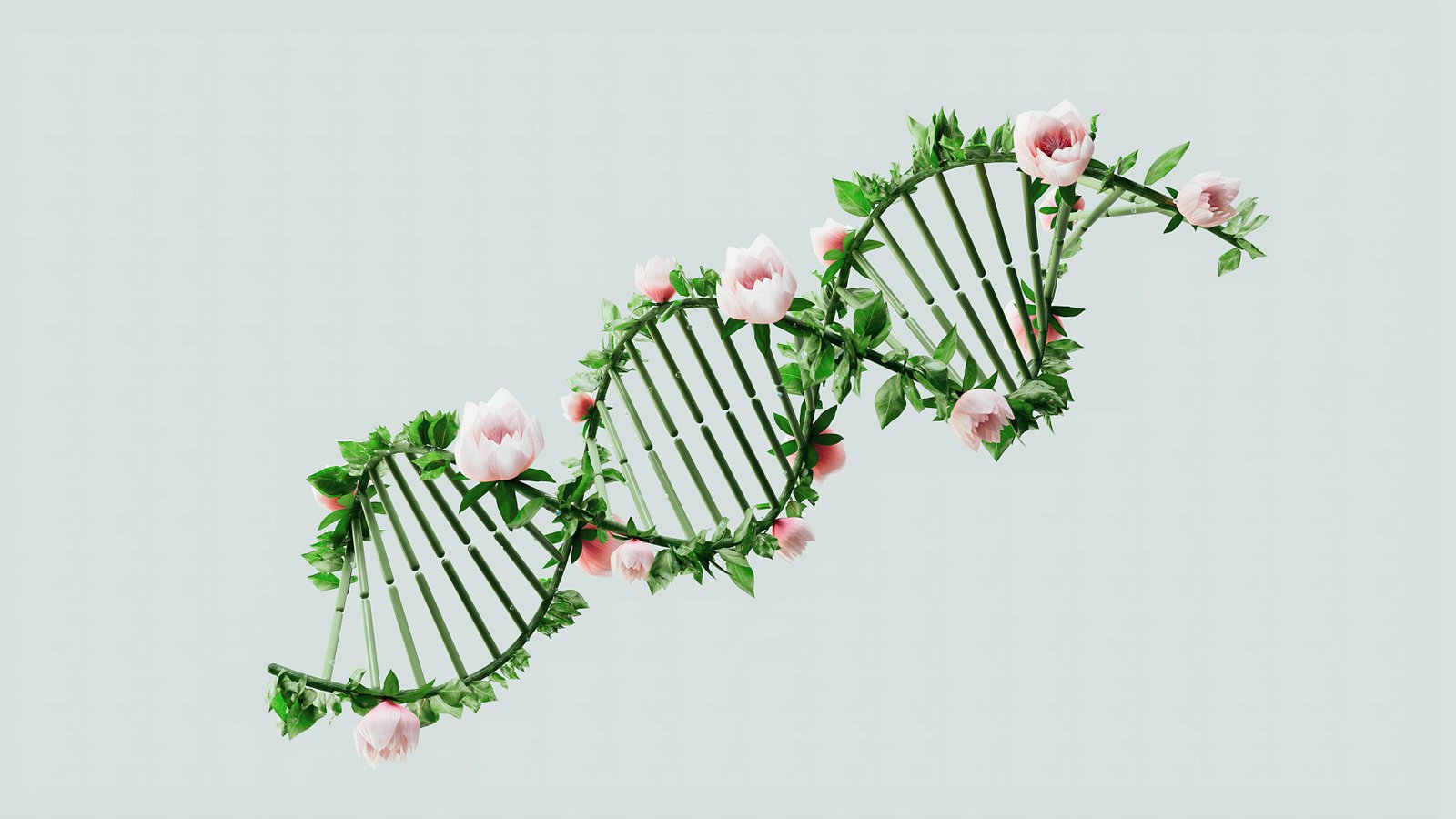
Rwanda is a country known for its stunning landscapes, vibrant culture, and rich genetic diversity. With a population of over 12 million people, Rwanda is a melting pot of various ethnic groups, each with its own unique genetic heritage. In recent years, scientists have been studying the genetics and heredity of the Rwandan population, uncovering fascinating insights into the country's genetic makeup. One interesting way to explore the genetic diversity of Rwanda is through the lens of kitchens. The traditional Rwandan kitchen is a hub of activity, where families come together to prepare and share meals. In this intimate setting, passed-down recipes and cooking techniques offer a glimpse into the culinary heritage of Rwanda's different ethnic groups. Through the study of genetics and heredity, researchers have found that Rwanda's population is a mosaic of various genetic influences. The three main ethnic groups in Rwanda – the Hutu, Tutsi, and Twa – each have distinct genetic markers that reflect their unique histories and migrations. Genetic studies have shown that the Hutu, Tutsi, and Twa share a common ancestry but have also intermixed with populations from neighboring countries over the centuries. The genetic diversity of Rwanda is not only a testament to the country's complex history but also holds important implications for health and disease research. By understanding the genetic makeup of different populations within Rwanda, scientists can better tailor healthcare interventions and treatments to meet the specific needs of each group. In addition to genetics, the study of heredity in Rwanda offers insights into how traits are passed down from generation to generation. Just as cooking traditions are handed down through families, genetic traits are inherited and shape the physical characteristics and predispositions of individuals. As Rwanda continues to develop and embrace modernity, it is crucial to preserve and celebrate its genetic and cultural heritage. By recognizing the diversity within its population and understanding the role of genetics and heredity, Rwanda can build a future that is inclusive, equitable, and informed by its rich past. In conclusion, the kitchens of Rwanda offer a fascinating entry point to explore the country's genetic diversity and heritage. By studying the genetic makeup of different populations and understanding the role of heredity, we can gain a deeper appreciation of Rwanda's complex tapestry of cultures, traditions, and people.
Leave a Comment:
SEARCH
Recent News
- The Role of Genetics in Wildlife Conservation
- In the vibrant city of Vancouver, Canada, genetics is a burgeoning field that is seeing a surge in innovation and growth. With a strong focus on healthcare and technology, Vancouver is becoming a hub for genetics startups that are revolutionizing the way we approach healthcare and personalized medicine. In this article, we will take a look at some of the top genetics startups in Vancouver that are making waves in the industry.
- Genetics Research in Tunisia: Advancements and Opportunities
- Genetics Trends: What's Next in the World of Genetics
- Tokyo is a vibrant hub of innovation and technology, making it a prime location for startups in various industries. When it comes to genetics and biotechnology, Tokyo is home to a number of cutting-edge startups that are pushing the boundaries of genetic research and application.
- Genetic testing and inspection standards play a crucial role in ensuring the accuracy, reliability, and ethical use of genetic information. With advancements in technology and the increasing popularity of direct-to-consumer genetic testing, it is important to have established standards in place to protect individuals' privacy and ensure the quality of genetic testing results.
- Sudanese culture is a rich tapestry woven from a diverse blend of influences, including genetics. The people of Sudan have a unique genetic heritage that has been shaped by centuries of interactions with various cultures and civilizations. This genetic diversity is reflected in the physical characteristics of Sudanese individuals, as well as in their cultural practices and traditions.
- Genetics and Subconscious Mind Reprogramming: The Key to Unlocking Your Potential
READ MORE
9 months ago Category :

The Role of Genetics in Wildlife Conservation
Read More →9 months ago Category :

In the vibrant city of Vancouver, Canada, genetics is a burgeoning field that is seeing a surge in innovation and growth. With a strong focus on healthcare and technology, Vancouver is becoming a hub for genetics startups that are revolutionizing the way we approach healthcare and personalized medicine. In this article, we will take a look at some of the top genetics startups in Vancouver that are making waves in the industry.
Read More →9 months ago Category :

Genetics Research in Tunisia: Advancements and Opportunities
Read More →9 months ago Category :
