The Intersection of Modern Cooking Technology and Genetics
Category : | Sub Category : Posted on 2024-10-05 22:25:23
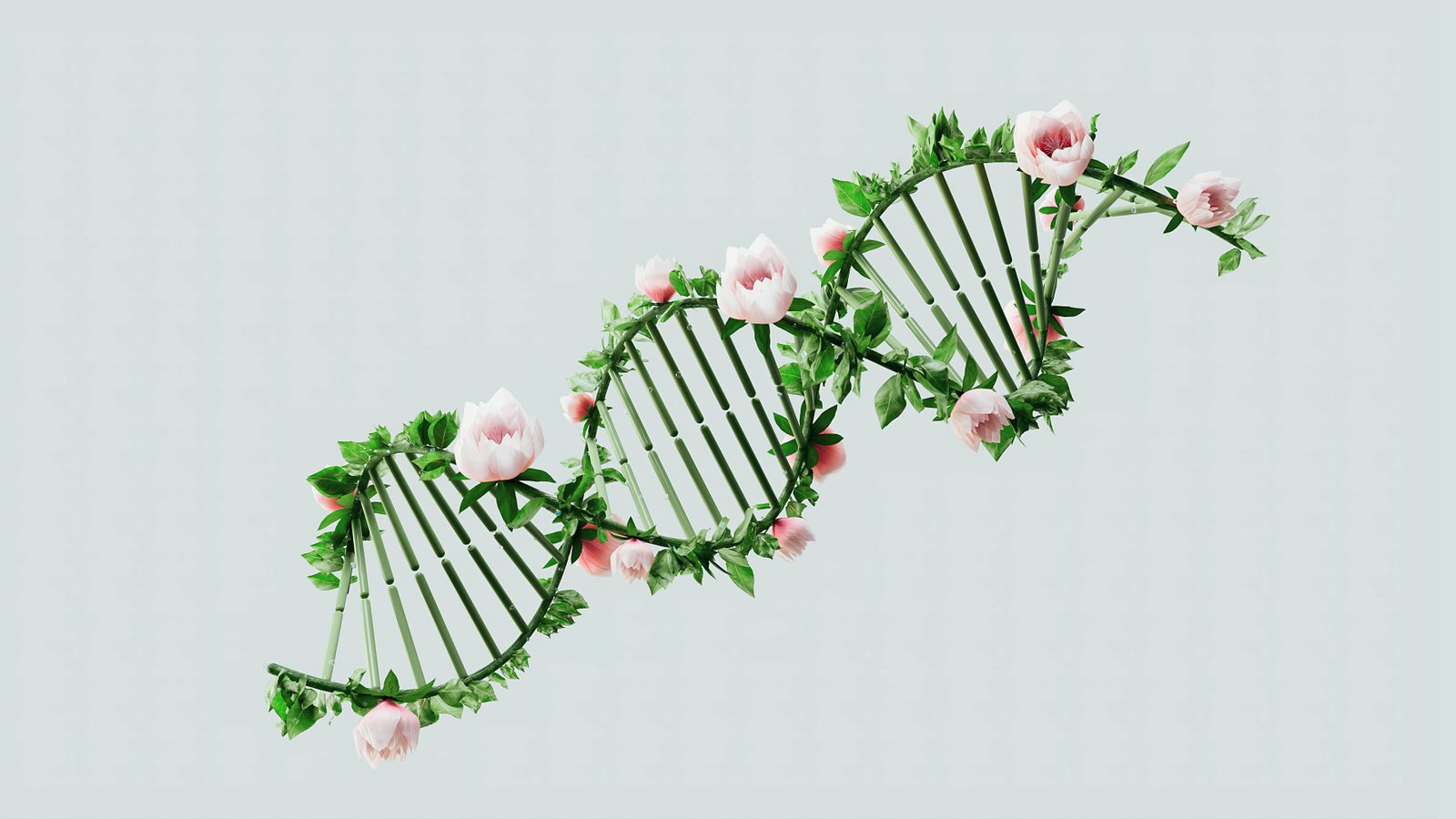
In recent years, modern cooking technology has revolutionized the way we prepare and enjoy food. From high-tech kitchen gadgets to innovative cooking methods, there is no shortage of tools available to help us create delicious and nutritious meals. However, with these advancements also come complaints from some individuals who feel that their genetics and heredity play a role in their ability to fully leverage these technologies. One common complaint related to genetics and heredity in the context of modern cooking technology is the difficulty some people have in processing certain foods. For example, individuals with lactose intolerance may struggle with recipes that call for dairy products, even with the availability of lactose-free alternatives. Similarly, those with gluten intolerance or celiac disease may find it challenging to fully embrace trendy cooking techniques that rely heavily on gluten-containing ingredients. Additionally, genetic predispositions to certain health conditions can also impact how individuals interact with modern cooking technology. For example, individuals with a family history of heart disease or diabetes may be more cautious about using certain cooking methods that involve high amounts of saturated fats or sugar, even if these methods are touted for their convenience and flavor-enhancing qualities. Moreover, genetic variations in taste preferences can also influence how individuals perceive and enjoy food prepared with modern cooking technology. Some people may have a heightened sensitivity to bitter flavors, making it difficult for them to appreciate dishes prepared using certain cooking techniques or ingredients. On the other hand, individuals with a genetic predisposition for sweet or savory preferences may find certain modern cooking trends to be more appealing and satisfying. Despite these challenges, it is important to recognize that genetics and heredity are just one piece of the puzzle when it comes to the intersection of modern cooking technology and personal food choices. By being mindful of individual needs and preferences, as well as seeking out resources and recipes tailored to specific genetic profiles, individuals can still embrace and enjoy the benefits of modern cooking technology while honoring their unique genetic makeup. In conclusion, while complaints related to genetics and heredity in the context of modern cooking technology may present challenges for some individuals, they also highlight the importance of personalized approaches to food preparation and consumption. By understanding and accommodating genetic factors, we can create a more inclusive and enjoyable culinary experience for all.
https://dernier.org
Leave a Comment:
SEARCH
Recent News
- The Role of Genetics in Wildlife Conservation
- In the vibrant city of Vancouver, Canada, genetics is a burgeoning field that is seeing a surge in innovation and growth. With a strong focus on healthcare and technology, Vancouver is becoming a hub for genetics startups that are revolutionizing the way we approach healthcare and personalized medicine. In this article, we will take a look at some of the top genetics startups in Vancouver that are making waves in the industry.
- Genetics Research in Tunisia: Advancements and Opportunities
- Genetics Trends: What's Next in the World of Genetics
- Tokyo is a vibrant hub of innovation and technology, making it a prime location for startups in various industries. When it comes to genetics and biotechnology, Tokyo is home to a number of cutting-edge startups that are pushing the boundaries of genetic research and application.
- Genetic testing and inspection standards play a crucial role in ensuring the accuracy, reliability, and ethical use of genetic information. With advancements in technology and the increasing popularity of direct-to-consumer genetic testing, it is important to have established standards in place to protect individuals' privacy and ensure the quality of genetic testing results.
- Sudanese culture is a rich tapestry woven from a diverse blend of influences, including genetics. The people of Sudan have a unique genetic heritage that has been shaped by centuries of interactions with various cultures and civilizations. This genetic diversity is reflected in the physical characteristics of Sudanese individuals, as well as in their cultural practices and traditions.
- Genetics and Subconscious Mind Reprogramming: The Key to Unlocking Your Potential
READ MORE
9 months ago Category :

The Role of Genetics in Wildlife Conservation
Read More →9 months ago Category :

In the vibrant city of Vancouver, Canada, genetics is a burgeoning field that is seeing a surge in innovation and growth. With a strong focus on healthcare and technology, Vancouver is becoming a hub for genetics startups that are revolutionizing the way we approach healthcare and personalized medicine. In this article, we will take a look at some of the top genetics startups in Vancouver that are making waves in the industry.
Read More →9 months ago Category :

Genetics Research in Tunisia: Advancements and Opportunities
Read More →9 months ago Category :
