Exploring the Intersection of Modern Cooking Technology, Genetics, and Heredity
Category : | Sub Category : Posted on 2024-10-05 22:25:23
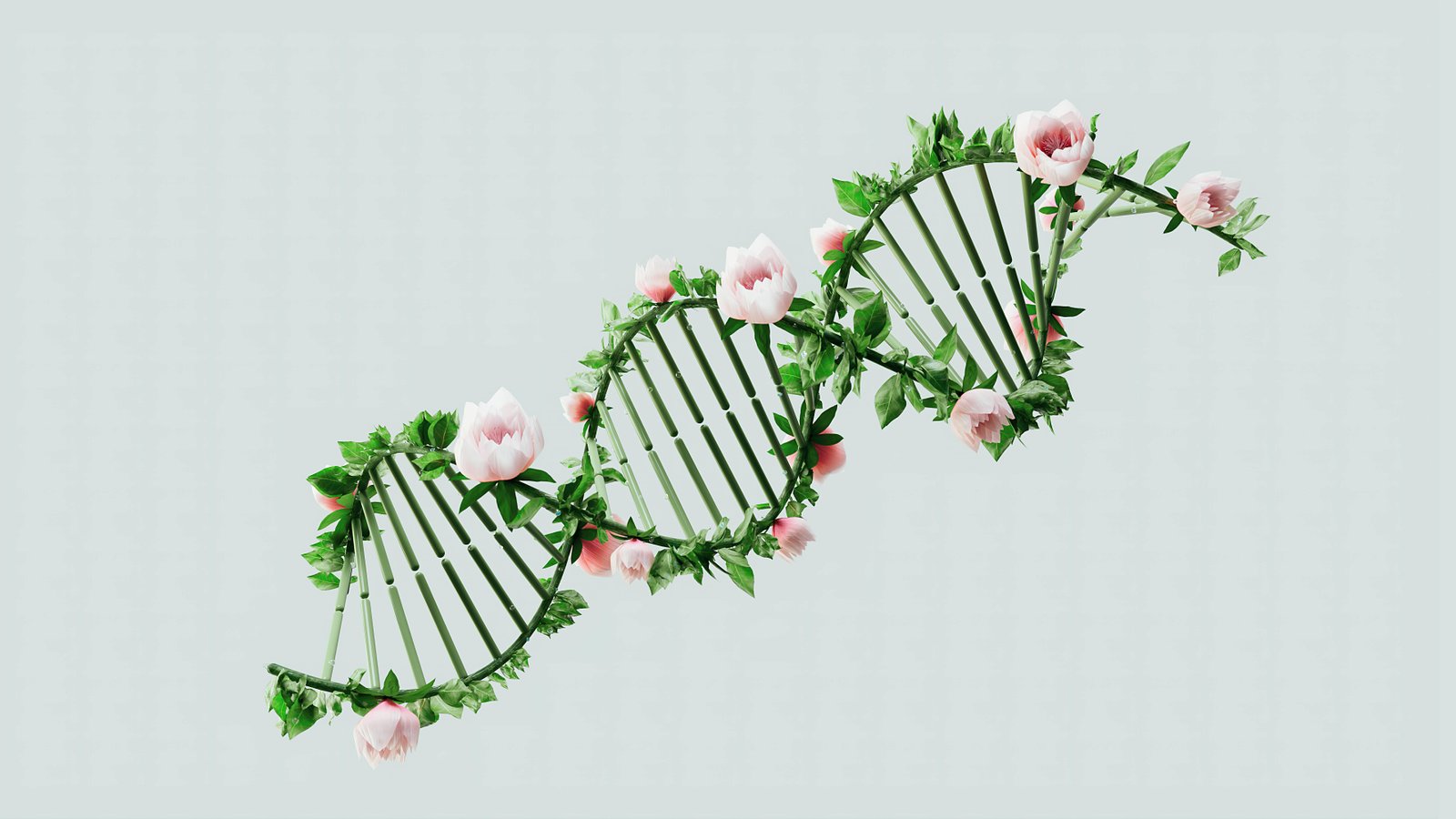
In recent years, advancements in modern cooking technology have revolutionized the way we approach the culinary world. From sous vide machines to molecular gastronomy techniques, chefs and home cooks alike have access to a wide array of tools that allow them to explore new flavors, textures, and cooking methods. However, what many may not realize is the significant impact that genetics and heredity can have on our food preferences, dietary needs, and overall relationship with food. Genetics and heredity play a crucial role in shaping our tastes and preferences when it comes to food. Studies have shown that our genetic makeup can influence how we perceive flavors, textures, and even our likelihood of developing certain food allergies or sensitivities. For example, some people are genetically predisposed to be more sensitive to bitter tastes, which can affect their enjoyment of certain foods like dark leafy greens or coffee. Moreover, our genetic background can also impact how our bodies process and metabolize different nutrients. This can have important implications for our dietary needs and overall health. For instance, some individuals may have genetic variations that make them more prone to certain nutritional deficiencies, such as vitamin B12 or iron. Understanding these genetic predispositions can help individuals make more informed choices about their diet and potentially optimize their health through personalized nutrition approaches. When we consider the intersection of modern cooking technology with genetics and heredity, the possibilities for personalized and tailored culinary experiences are truly endless. Imagine a future where chefs can create dishes specifically catered to individual genetic profiles, taking into account preferences, sensitivities, and nutritional needs. With the advent of technologies like genetic testing and personalized nutrition, this vision is becoming increasingly feasible. As investors and innovators continue to explore the convergence of modern cooking technology, genetics, and heredity, it's clear that the future of food is heading towards a more personalized and interconnected direction. By leveraging these advancements, we have the potential to unlock a whole new world of culinary experiences that cater to our individual genetic makeup and preferences. In conclusion, the integration of modern cooking technology with genetics and heredity opens up a realm of possibilities for personalized and tailored culinary experiences. By understanding and embracing the influence of our genetic background on our food preferences and dietary needs, we can unlock a new era of gastronomy that is truly unique to each individual. The future of food is not only delicious but also deeply personalized and rooted in our genetic heritage. Want to expand your knowledge? Start with https://www.upital.com To learn more, take a look at: https://www.leecow.com
https://dernier.org
Leave a Comment:
SEARCH
Recent News
- The Role of Genetics in Wildlife Conservation
- In the vibrant city of Vancouver, Canada, genetics is a burgeoning field that is seeing a surge in innovation and growth. With a strong focus on healthcare and technology, Vancouver is becoming a hub for genetics startups that are revolutionizing the way we approach healthcare and personalized medicine. In this article, we will take a look at some of the top genetics startups in Vancouver that are making waves in the industry.
- Genetics Research in Tunisia: Advancements and Opportunities
- Genetics Trends: What's Next in the World of Genetics
- Tokyo is a vibrant hub of innovation and technology, making it a prime location for startups in various industries. When it comes to genetics and biotechnology, Tokyo is home to a number of cutting-edge startups that are pushing the boundaries of genetic research and application.
- Genetic testing and inspection standards play a crucial role in ensuring the accuracy, reliability, and ethical use of genetic information. With advancements in technology and the increasing popularity of direct-to-consumer genetic testing, it is important to have established standards in place to protect individuals' privacy and ensure the quality of genetic testing results.
- Sudanese culture is a rich tapestry woven from a diverse blend of influences, including genetics. The people of Sudan have a unique genetic heritage that has been shaped by centuries of interactions with various cultures and civilizations. This genetic diversity is reflected in the physical characteristics of Sudanese individuals, as well as in their cultural practices and traditions.
- Genetics and Subconscious Mind Reprogramming: The Key to Unlocking Your Potential
READ MORE
9 months ago Category :

The Role of Genetics in Wildlife Conservation
Read More →9 months ago Category :

In the vibrant city of Vancouver, Canada, genetics is a burgeoning field that is seeing a surge in innovation and growth. With a strong focus on healthcare and technology, Vancouver is becoming a hub for genetics startups that are revolutionizing the way we approach healthcare and personalized medicine. In this article, we will take a look at some of the top genetics startups in Vancouver that are making waves in the industry.
Read More →9 months ago Category :

Genetics Research in Tunisia: Advancements and Opportunities
Read More →9 months ago Category :
