Ancient Civilizations and Genetics: Unveiling the Genetic Heritage of Pakistan
Category : | Sub Category : Posted on 2024-10-05 22:25:23
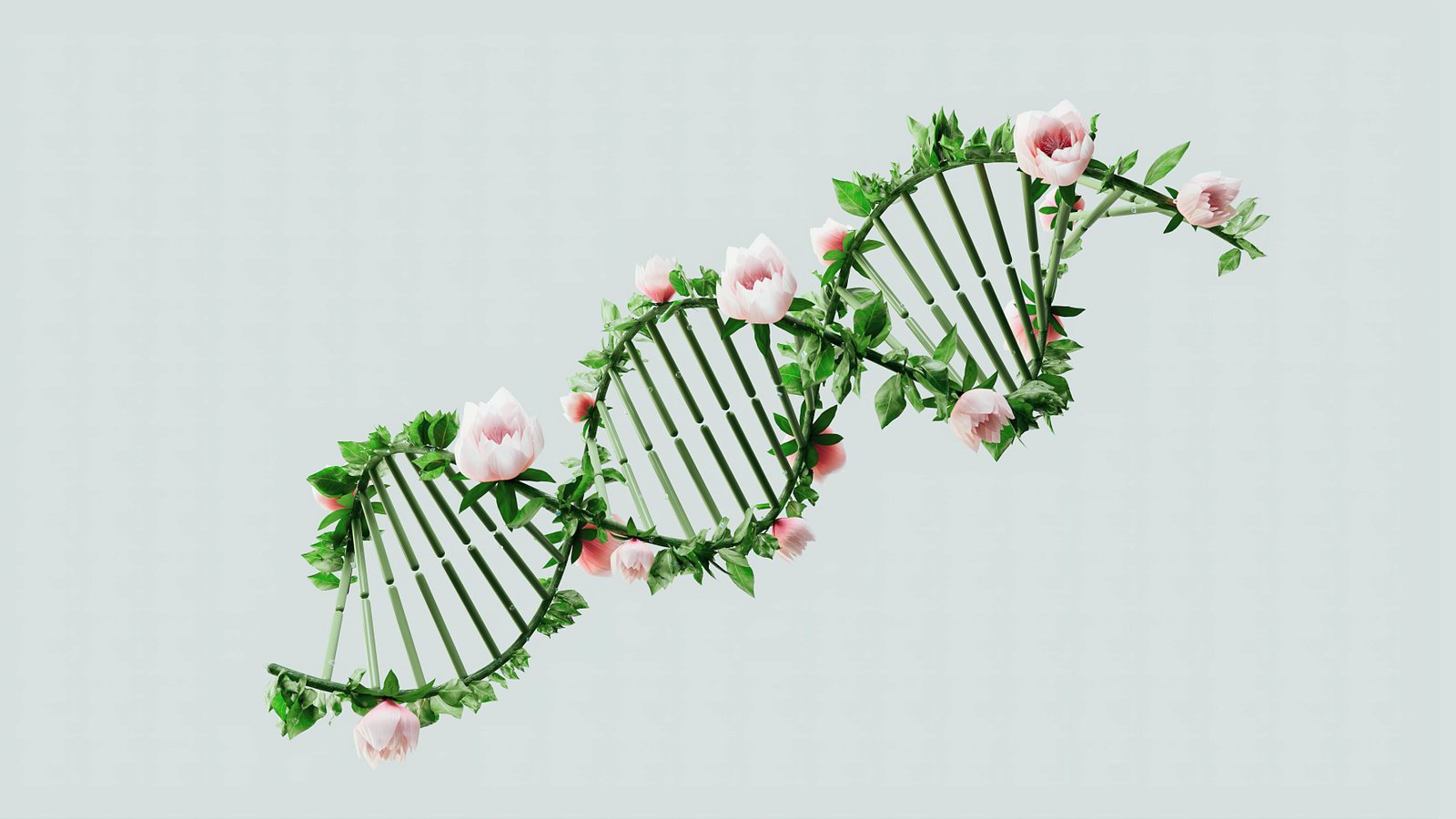
Pakistan, a land rich in cultural heritage and ancient civilizations, holds a fascinating genetic tapestry that reflects the diverse populations that have inhabited the region over millennia. From the Indus Valley Civilization to the Mughal Empire, Pakistan's history is a testament to the blending of different cultures and ethnicities, leaving a lasting impact on the genetic makeup of its people. One of the key aspects of Pakistan's genetic heritage is its intricate mix of ancestral populations. Studies have shown that the people of Pakistan are a mosaic of genetic markers from various ancient civilizations, including the South Asian hunter-gatherers, the Bronze Age migrants, the Indo-Aryans, and the Central Asian Steppe pastoralists. This genetic diversity has shaped the unique gene pool of modern-day Pakistanis, making them a genetically distinct population with a rich history of migration and intermingling. Research in population genetics has revealed that certain genetic variations are more prevalent in specific regions of Pakistan. For example, the genetic signature of the Indus Valley Civilization, one of the world's oldest urban societies, can still be detected in the populations living in the Indus River basin. Similarly, the genetic legacy of the Mughal Empire, which ruled over the Indian subcontinent for centuries, is evident in the genetic makeup of people living in regions that were once part of the empire. Furthermore, the genetic diversity of Pakistan is not only a reflection of its ancient civilizations but also of its complex social structure. The caste system, tribal affiliations, and intermarriage practices have played a significant role in shaping the genetic landscape of Pakistan. Endogamous practices within communities have led to the preservation of distinct genetic lineages, while intermarriage between different groups has contributed to genetic diversity. Studying the genetics and heredity of ancient civilizations in Pakistan not only sheds light on the historical migrations and interactions that shaped the region but also has practical implications for health research and disease prevention. By understanding the genetic predispositions of different populations, researchers can develop targeted approaches to healthcare that take into account the unique genetic makeup of Pakistanis. In conclusion, the genetic heritage of Pakistan is a complex tapestry woven from the threads of ancient civilizations, migrations, and social customs. By unraveling this genetic history, we can gain a deeper understanding of the origins and diversity of the people of Pakistan and appreciate the role that genetics plays in shaping their identity and well-being.
https://constructional.org
Leave a Comment:
SEARCH
Recent News
- The Role of Genetics in Wildlife Conservation
- In the vibrant city of Vancouver, Canada, genetics is a burgeoning field that is seeing a surge in innovation and growth. With a strong focus on healthcare and technology, Vancouver is becoming a hub for genetics startups that are revolutionizing the way we approach healthcare and personalized medicine. In this article, we will take a look at some of the top genetics startups in Vancouver that are making waves in the industry.
- Genetics Research in Tunisia: Advancements and Opportunities
- Genetics Trends: What's Next in the World of Genetics
- Tokyo is a vibrant hub of innovation and technology, making it a prime location for startups in various industries. When it comes to genetics and biotechnology, Tokyo is home to a number of cutting-edge startups that are pushing the boundaries of genetic research and application.
- Genetic testing and inspection standards play a crucial role in ensuring the accuracy, reliability, and ethical use of genetic information. With advancements in technology and the increasing popularity of direct-to-consumer genetic testing, it is important to have established standards in place to protect individuals' privacy and ensure the quality of genetic testing results.
- Sudanese culture is a rich tapestry woven from a diverse blend of influences, including genetics. The people of Sudan have a unique genetic heritage that has been shaped by centuries of interactions with various cultures and civilizations. This genetic diversity is reflected in the physical characteristics of Sudanese individuals, as well as in their cultural practices and traditions.
- Genetics and Subconscious Mind Reprogramming: The Key to Unlocking Your Potential
READ MORE
9 months ago Category :

The Role of Genetics in Wildlife Conservation
Read More →9 months ago Category :

In the vibrant city of Vancouver, Canada, genetics is a burgeoning field that is seeing a surge in innovation and growth. With a strong focus on healthcare and technology, Vancouver is becoming a hub for genetics startups that are revolutionizing the way we approach healthcare and personalized medicine. In this article, we will take a look at some of the top genetics startups in Vancouver that are making waves in the industry.
Read More →9 months ago Category :

Genetics Research in Tunisia: Advancements and Opportunities
Read More →9 months ago Category :
