Exploring the Sentiments of Pakistanis Towards AI in Genetics and Heredity
Category : | Sub Category : Posted on 2024-10-05 22:25:23
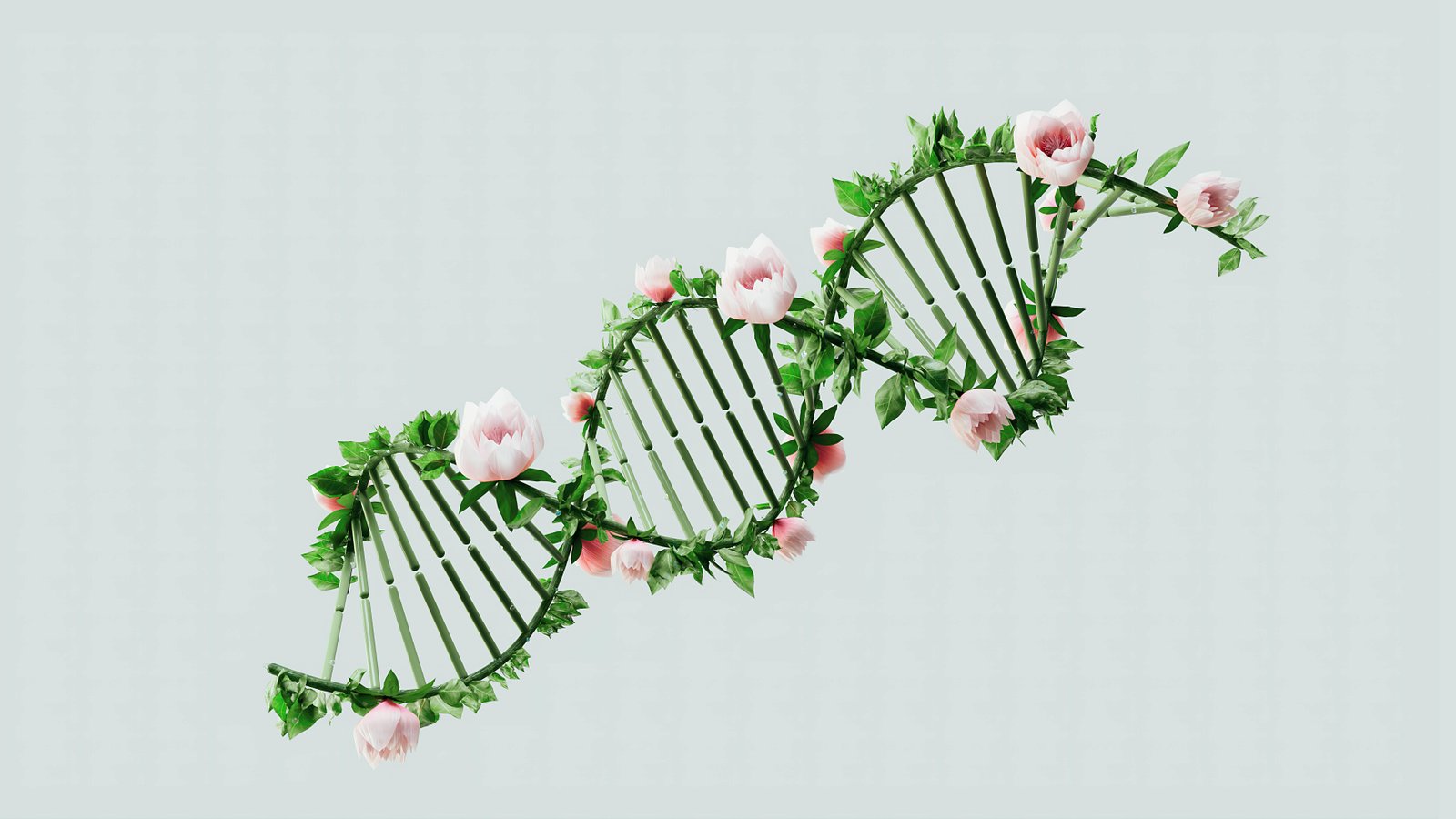
In recent years, the convergence of artificial intelligence (AI) with genetics and heredity has sparked both curiosity and concern among people around the world, including those in Pakistan. As advancements in technology continue to revolutionize the fields of healthcare, agriculture, and beyond, it is crucial to understand the sentiments of Pakistanis towards AI in the realm of genetics and heredity. Pakistan, a country known for its rich cultural heritage and technological innovation, has shown a growing interest in the potential applications of AI in genetics and heredity. From personalized medicine to agricultural improvements, AI technologies have the ability to significantly impact the lives of individuals and communities in Pakistan. One of the key sentiments expressed by Pakistanis towards AI in genetics and heredity is a sense of optimism and hope for the future. Many believe that AI has the potential to revolutionize healthcare in Pakistan by enabling more accurate and personalized treatment options. For example, AI-powered genetic testing can help identify individuals at risk for certain hereditary conditions, allowing for early intervention and prevention strategies. On the other hand, some Pakistanis also express concerns about the ethical implications of using AI in genetics and heredity. Questions about data privacy, consent, and genetic discrimination are often raised in discussions about the integration of AI technologies in these fields. It is important for policymakers, researchers, and healthcare professionals in Pakistan to carefully consider these ethical dilemmas and work towards establishing guidelines to protect the rights and well-being of individuals. In addition to ethical concerns, there are also discussions about the potential impact of AI on employment and education in Pakistan. As AI technologies continue to automate tasks and processes in various industries, there is a need to prepare the current and future workforce with the skills necessary to thrive in a technology-driven world. Education and upskilling initiatives will play a crucial role in ensuring that Pakistanis are equipped to leverage the benefits of AI in genetics and heredity. Overall, the sentiments of Pakistanis towards AI in genetics and heredity are multifaceted, encompassing both excitement for the possibilities of technology and caution about the potential risks. As Pakistan continues to embrace innovation and progress, it is essential to foster a culture of dialogue and collaboration to navigate the complex landscape of AI in genetics and heredity. By addressing ethical concerns, promoting education, and fostering a culture of inclusivity, Pakistan can harness the power of AI to improve the lives of its citizens and contribute to global advancements in genetics and heredity.
Leave a Comment:
SEARCH
Recent News
- The Role of Genetics in Wildlife Conservation
- In the vibrant city of Vancouver, Canada, genetics is a burgeoning field that is seeing a surge in innovation and growth. With a strong focus on healthcare and technology, Vancouver is becoming a hub for genetics startups that are revolutionizing the way we approach healthcare and personalized medicine. In this article, we will take a look at some of the top genetics startups in Vancouver that are making waves in the industry.
- Genetics Research in Tunisia: Advancements and Opportunities
- Genetics Trends: What's Next in the World of Genetics
- Tokyo is a vibrant hub of innovation and technology, making it a prime location for startups in various industries. When it comes to genetics and biotechnology, Tokyo is home to a number of cutting-edge startups that are pushing the boundaries of genetic research and application.
- Genetic testing and inspection standards play a crucial role in ensuring the accuracy, reliability, and ethical use of genetic information. With advancements in technology and the increasing popularity of direct-to-consumer genetic testing, it is important to have established standards in place to protect individuals' privacy and ensure the quality of genetic testing results.
- Sudanese culture is a rich tapestry woven from a diverse blend of influences, including genetics. The people of Sudan have a unique genetic heritage that has been shaped by centuries of interactions with various cultures and civilizations. This genetic diversity is reflected in the physical characteristics of Sudanese individuals, as well as in their cultural practices and traditions.
- Genetics and Subconscious Mind Reprogramming: The Key to Unlocking Your Potential
READ MORE
9 months ago Category :

The Role of Genetics in Wildlife Conservation
Read More →9 months ago Category :

In the vibrant city of Vancouver, Canada, genetics is a burgeoning field that is seeing a surge in innovation and growth. With a strong focus on healthcare and technology, Vancouver is becoming a hub for genetics startups that are revolutionizing the way we approach healthcare and personalized medicine. In this article, we will take a look at some of the top genetics startups in Vancouver that are making waves in the industry.
Read More →9 months ago Category :

Genetics Research in Tunisia: Advancements and Opportunities
Read More →9 months ago Category :
