Urban Redevelopment and Its Impact on Genetics and Heredity in Pakistan
Category : | Sub Category : Posted on 2024-10-05 22:25:23
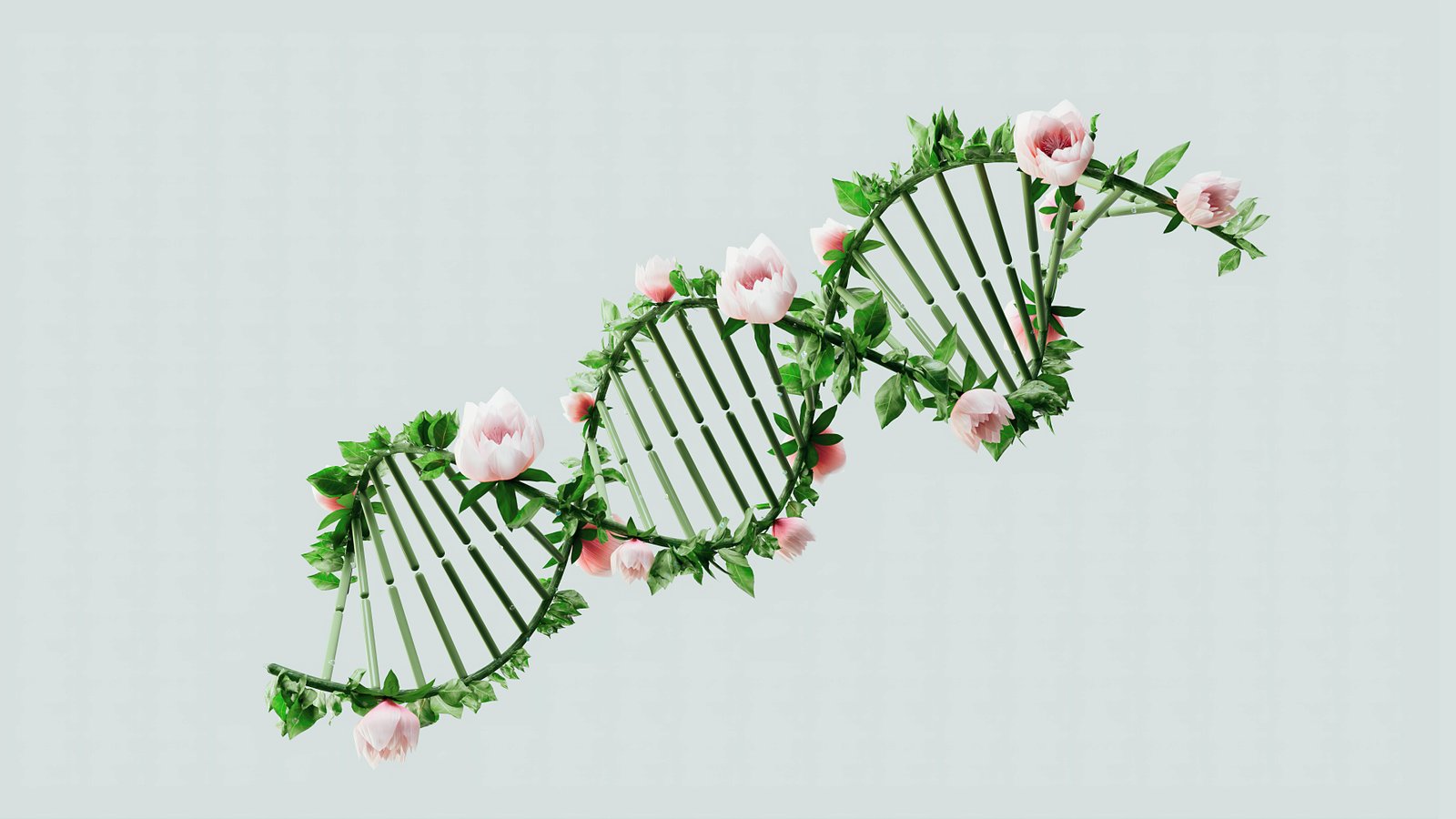
Urban redevelopment is a crucial aspect of modern city planning, especially in countries like Pakistan where rapid urbanization is taking place. However, the redevelopment of urban areas can have far-reaching effects on the genetics and heredity of the population living in these areas. One of the primary ways in which urban redevelopment can influence genetics and heredity is through changes in the living environment. As old buildings are demolished and new structures are built, the quality of housing, access to clean water, sanitation facilities, and exposure to environmental pollutants can all change. These environmental factors can have a significant impact on the health and well-being of residents, affecting not only their current health status but also their genetic predispositions and hereditary traits. Furthermore, urban redevelopment often leads to changes in lifestyle factors such as diet, exercise habits, and access to healthcare services. These lifestyle changes can impact the prevalence of genetic disorders, diseases, and health conditions within the population. For instance, an increase in the availability of fast food outlets and a decrease in open green spaces for physical activity can contribute to an uptick in obesity rates, which is known to have a genetic component. Another important aspect to consider is the displacement of communities due to urban redevelopment projects. When people are forced to relocate to new areas, they may face challenges related to social integration, access to resources, and mental health issues. These social stressors can also affect genetic expression and heredity, potentially leading to an increased risk of mental health disorders or other illnesses that are influenced by genetic factors. Therefore, it is essential for urban planners, policymakers, and public health officials in Pakistan to take into account the genetic and hereditary implications of urban redevelopment projects. Strategies should be implemented to mitigate the negative impacts on the genetic health of the population, including ensuring access to healthcare services, promoting healthy lifestyles, and monitoring environmental factors that could affect genetic predispositions. In conclusion, urban redevelopment in Pakistan has the potential to significantly impact the genetics and heredity of the population. By considering these factors in planning and decision-making processes, stakeholders can work towards creating healthier and more sustainable urban environments for future generations. For a detailed analysis, explore: https://www.tokarachi.com
https://desencadenar.org
https://constructional.org
Leave a Comment:
SEARCH
Recent News
- The Role of Genetics in Wildlife Conservation
- In the vibrant city of Vancouver, Canada, genetics is a burgeoning field that is seeing a surge in innovation and growth. With a strong focus on healthcare and technology, Vancouver is becoming a hub for genetics startups that are revolutionizing the way we approach healthcare and personalized medicine. In this article, we will take a look at some of the top genetics startups in Vancouver that are making waves in the industry.
- Genetics Research in Tunisia: Advancements and Opportunities
- Genetics Trends: What's Next in the World of Genetics
- Tokyo is a vibrant hub of innovation and technology, making it a prime location for startups in various industries. When it comes to genetics and biotechnology, Tokyo is home to a number of cutting-edge startups that are pushing the boundaries of genetic research and application.
- Genetic testing and inspection standards play a crucial role in ensuring the accuracy, reliability, and ethical use of genetic information. With advancements in technology and the increasing popularity of direct-to-consumer genetic testing, it is important to have established standards in place to protect individuals' privacy and ensure the quality of genetic testing results.
- Sudanese culture is a rich tapestry woven from a diverse blend of influences, including genetics. The people of Sudan have a unique genetic heritage that has been shaped by centuries of interactions with various cultures and civilizations. This genetic diversity is reflected in the physical characteristics of Sudanese individuals, as well as in their cultural practices and traditions.
- Genetics and Subconscious Mind Reprogramming: The Key to Unlocking Your Potential
READ MORE
9 months ago Category :

The Role of Genetics in Wildlife Conservation
Read More →9 months ago Category :

In the vibrant city of Vancouver, Canada, genetics is a burgeoning field that is seeing a surge in innovation and growth. With a strong focus on healthcare and technology, Vancouver is becoming a hub for genetics startups that are revolutionizing the way we approach healthcare and personalized medicine. In this article, we will take a look at some of the top genetics startups in Vancouver that are making waves in the industry.
Read More →9 months ago Category :

Genetics Research in Tunisia: Advancements and Opportunities
Read More →9 months ago Category :
