The Intersection of Programming, Modern Cooking Technology, and Genetics/Heredity
Category : | Sub Category : Posted on 2024-10-05 22:25:23
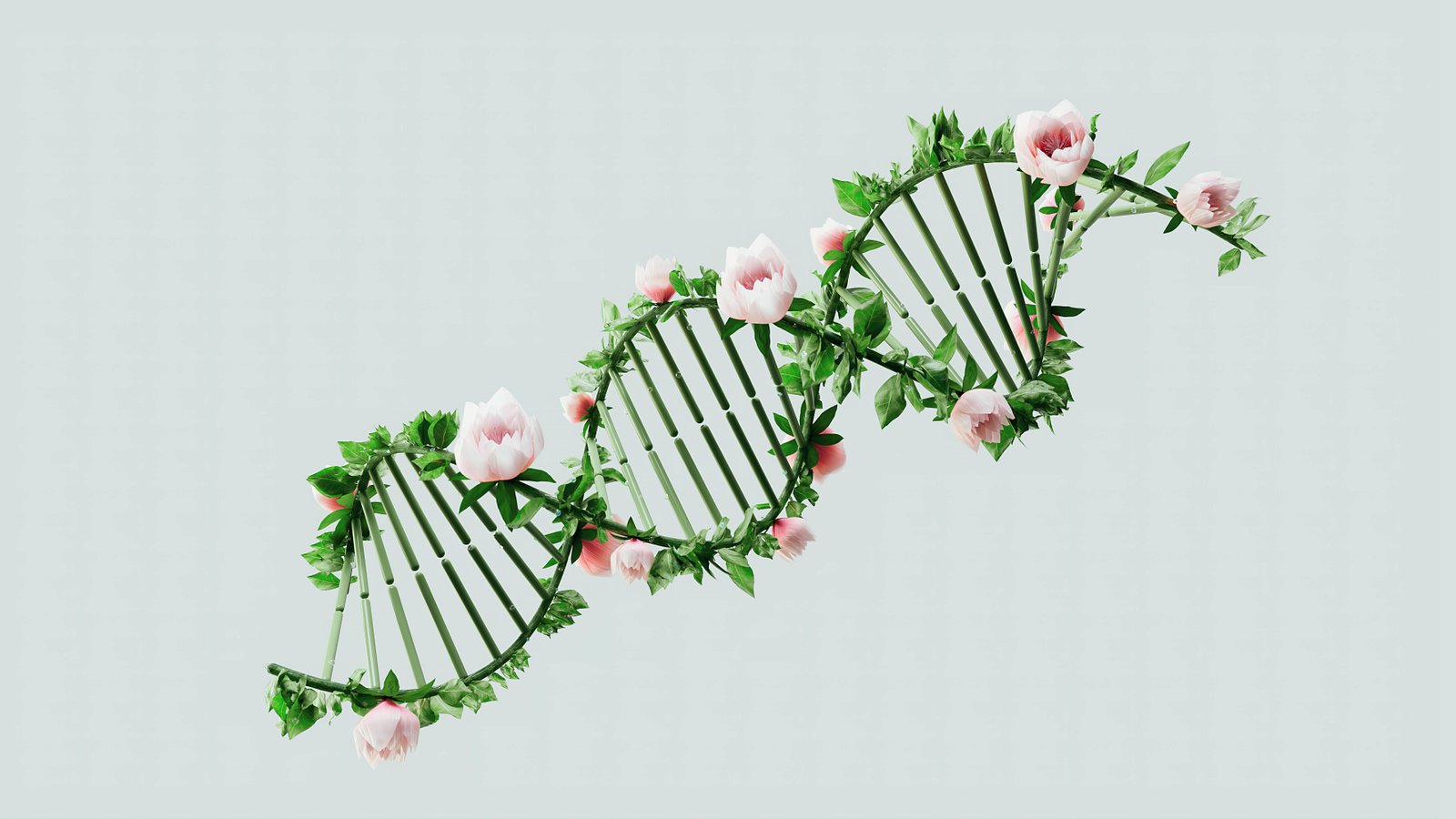
In today's fast-paced world, technology is advancing at an unprecedented rate, touching every aspect of our lives, including the way we cook and the understanding of genetics and heredity. The convergence of programming, modern cooking technology, genetics, and heredity is creating a revolution in the kitchen and beyond. One of the most exciting developments in modern cooking technology is the rise of smart kitchen appliances. These appliances are equipped with sensors, cameras, and even artificial intelligence algorithms that make cooking more efficient, precise, and enjoyable. Smart ovens can now detect the type of food being cooked and adjust the temperature and cooking time accordingly. Meanwhile, smart refrigerators can suggest recipes based on the ingredients you have stored inside them. Such advancements are made possible through complex programming that enables these appliances to communicate and adapt to our needs seamlessly. Genetics and heredity play a significant role in shaping our preferences for food, our dietary requirements, and even our cooking abilities. Recent studies have shown that our genes can influence how we taste certain flavors, leading to individual differences in food preferences. Additionally, our genetic makeup can determine how our bodies respond to different nutrients, impacting our overall health and well-being. Understanding the genetic basis of taste perception and nutritional requirements can help us make informed decisions about our diets and cooking practices. The field of nutrigenomics, which explores the relationship between nutrition, genetics, and health, is revolutionizing the way we approach cooking and eating. By analyzing individual genetic profiles, researchers and nutritionists can tailor diet plans and recipes to suit the specific needs of each person. For example, someone with a genetic predisposition to lactose intolerance may benefit from dairy-free cooking alternatives, while someone with a high risk of heart disease may be advised to incorporate more heart-healthy ingredients into their meals. As we move forward into a future where technology and genetics intersect in the kitchen, it is essential to remain mindful of the ethical implications of these advancements. Privacy concerns surrounding genetic data and the potential for technology to perpetuate food inequalities are important issues that must be addressed. By fostering a dialogue between programmers, chefs, geneticists, and policymakers, we can ensure that the benefits of modern cooking technology and genetic insights are accessible to all. In conclusion, the convergence of programming, modern cooking technology, genetics, and heredity is shaping the way we cook, eat, and understand our bodies. By harnessing the power of technology and genetic insights, we can create a more personalized and sustainable approach to food that benefits individuals and communities worldwide. Let's embrace this exciting intersection and explore the endless possibilities it holds for the future of cooking and nutrition. If you're interested in this topic, I suggest reading https://www.droope.org Click the following link for more https://www.grauhirn.org
https://dernier.org
Leave a Comment:
SEARCH
Recent News
- The Role of Genetics in Wildlife Conservation
- In the vibrant city of Vancouver, Canada, genetics is a burgeoning field that is seeing a surge in innovation and growth. With a strong focus on healthcare and technology, Vancouver is becoming a hub for genetics startups that are revolutionizing the way we approach healthcare and personalized medicine. In this article, we will take a look at some of the top genetics startups in Vancouver that are making waves in the industry.
- Genetics Research in Tunisia: Advancements and Opportunities
- Genetics Trends: What's Next in the World of Genetics
- Tokyo is a vibrant hub of innovation and technology, making it a prime location for startups in various industries. When it comes to genetics and biotechnology, Tokyo is home to a number of cutting-edge startups that are pushing the boundaries of genetic research and application.
- Genetic testing and inspection standards play a crucial role in ensuring the accuracy, reliability, and ethical use of genetic information. With advancements in technology and the increasing popularity of direct-to-consumer genetic testing, it is important to have established standards in place to protect individuals' privacy and ensure the quality of genetic testing results.
- Sudanese culture is a rich tapestry woven from a diverse blend of influences, including genetics. The people of Sudan have a unique genetic heritage that has been shaped by centuries of interactions with various cultures and civilizations. This genetic diversity is reflected in the physical characteristics of Sudanese individuals, as well as in their cultural practices and traditions.
- Genetics and Subconscious Mind Reprogramming: The Key to Unlocking Your Potential
READ MORE
9 months ago Category :

The Role of Genetics in Wildlife Conservation
Read More →9 months ago Category :

In the vibrant city of Vancouver, Canada, genetics is a burgeoning field that is seeing a surge in innovation and growth. With a strong focus on healthcare and technology, Vancouver is becoming a hub for genetics startups that are revolutionizing the way we approach healthcare and personalized medicine. In this article, we will take a look at some of the top genetics startups in Vancouver that are making waves in the industry.
Read More →9 months ago Category :

Genetics Research in Tunisia: Advancements and Opportunities
Read More →9 months ago Category :
