Exploring the Intersection of Programming, Genetics, and Heredity
Category : | Sub Category : Posted on 2024-10-05 22:25:23
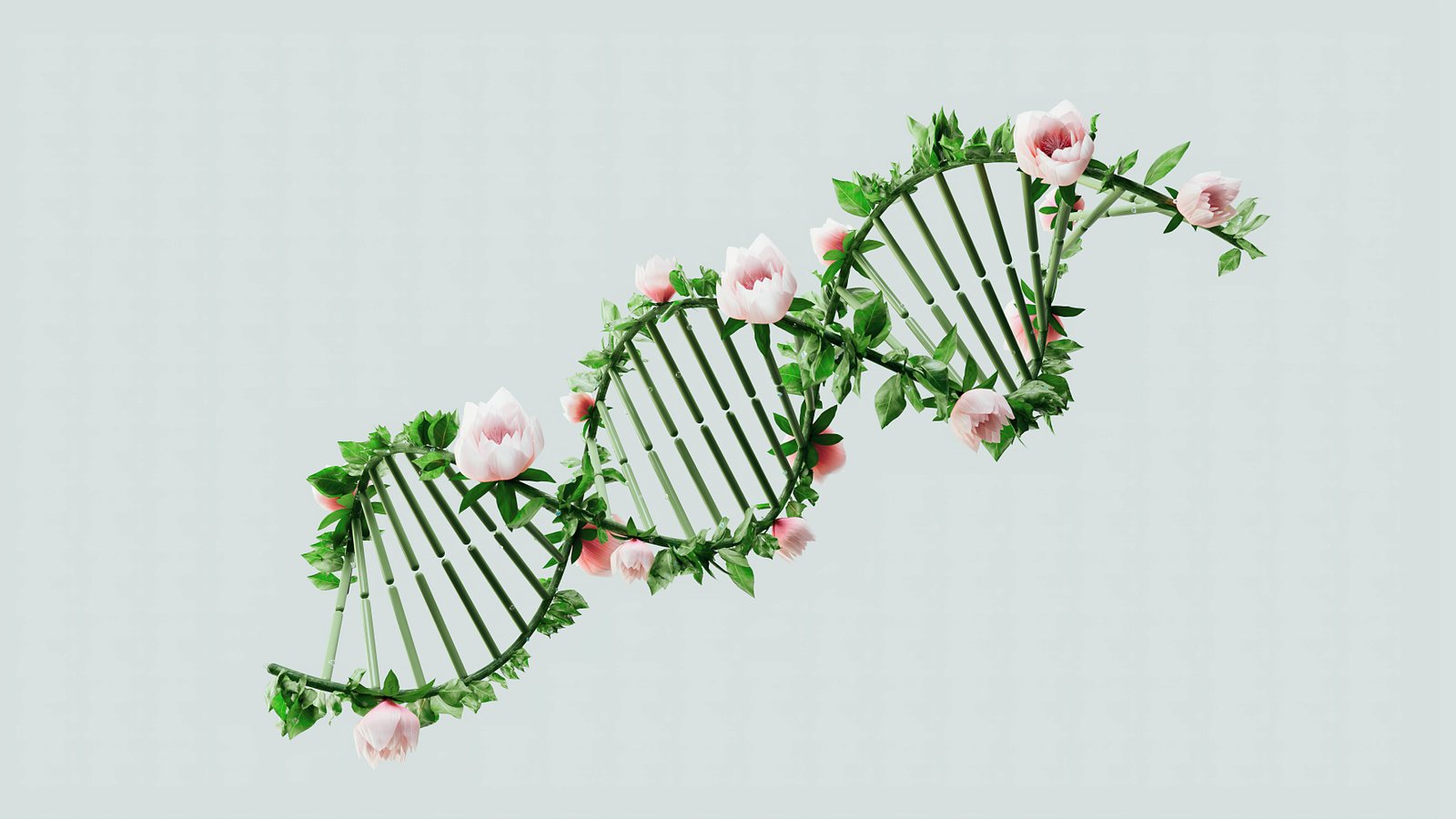
In the digital age we live in, the fields of Programming and genetics are advancing at an unprecedented pace, each with its own set of complexities and possibilities. The intersection of these two domains presents a fascinating array of opportunities for innovation and exploration. In this blog post, we will delve into the world of programming as it relates to genetics and heredity, and explore the exciting ways in which these fields are coming together to shape the future. Programming plays a crucial role in the field of genetics, providing scientists and researchers with the tools needed to analyze and interpret vast amounts of genetic data. Through the use of programming languages such as Python, R, and Java, geneticists can develop algorithms and software programs to study genetic variations, identify disease-causing genes, and predict an individual’s risk for certain conditions based on their genetic makeup. One of the most intriguing applications of programming in genetics is in the field of personalized medicine. By analyzing an individual’s unique genetic profile, doctors can tailor treatment plans to the specific needs of each patient, maximizing the efficacy of medical interventions while minimizing potential side effects. This precision medicine approach has the potential to revolutionize healthcare, ushering in a new era of customized and targeted therapies. Furthermore, programming is also being employed to study the hereditary nature of genetic traits and diseases. By developing computational models that simulate the inheritance patterns of genes across generations, researchers can gain valuable insights into how traits are passed down from parents to offspring. This knowledge is essential for understanding complex genetic disorders and developing strategies for their prevention and treatment. In addition to its applications in genetics and heredity, programming is also playing a crucial role in the emerging field of bioinformatics. By harnessing the power of computational tools and algorithms, bioinformaticians can analyze large-scale genomic datasets, uncover hidden patterns in genetic data, and make novel discoveries that have the potential to transform our understanding of the genetic code and its implications for human health. As we look to the future, the synergy between programming, genetics, and heredity holds immense promise for driving advancements in biotechnology, healthcare, and scientific research. By combining the power of computer programming with the intricacies of genetic inheritance, researchers are paving the way for groundbreaking discoveries that have the potential to revolutionize our understanding of life itself. In conclusion, the intersection of programming, genetics, and heredity represents a fertile ground for innovation and discovery. As these fields continue to evolve and converge, we can expect to see a wealth of new opportunities emerge, offering exciting possibilities for improving human health, unraveling the mysteries of the genome, and unlocking the secrets of our genetic heritage. It is an exciting time to be at the forefront of this interdisciplinary frontier, where the realms of technology and biology merge to shape the future of scientific inquiry and medical practice. Dive into the details to understand this topic thoroughly. https://www.hochladen.org
Leave a Comment:
SEARCH
Recent News
- The Role of Genetics in Wildlife Conservation
- In the vibrant city of Vancouver, Canada, genetics is a burgeoning field that is seeing a surge in innovation and growth. With a strong focus on healthcare and technology, Vancouver is becoming a hub for genetics startups that are revolutionizing the way we approach healthcare and personalized medicine. In this article, we will take a look at some of the top genetics startups in Vancouver that are making waves in the industry.
- Genetics Research in Tunisia: Advancements and Opportunities
- Genetics Trends: What's Next in the World of Genetics
- Tokyo is a vibrant hub of innovation and technology, making it a prime location for startups in various industries. When it comes to genetics and biotechnology, Tokyo is home to a number of cutting-edge startups that are pushing the boundaries of genetic research and application.
- Genetic testing and inspection standards play a crucial role in ensuring the accuracy, reliability, and ethical use of genetic information. With advancements in technology and the increasing popularity of direct-to-consumer genetic testing, it is important to have established standards in place to protect individuals' privacy and ensure the quality of genetic testing results.
- Sudanese culture is a rich tapestry woven from a diverse blend of influences, including genetics. The people of Sudan have a unique genetic heritage that has been shaped by centuries of interactions with various cultures and civilizations. This genetic diversity is reflected in the physical characteristics of Sudanese individuals, as well as in their cultural practices and traditions.
- Genetics and Subconscious Mind Reprogramming: The Key to Unlocking Your Potential
READ MORE
9 months ago Category :

The Role of Genetics in Wildlife Conservation
Read More →9 months ago Category :

In the vibrant city of Vancouver, Canada, genetics is a burgeoning field that is seeing a surge in innovation and growth. With a strong focus on healthcare and technology, Vancouver is becoming a hub for genetics startups that are revolutionizing the way we approach healthcare and personalized medicine. In this article, we will take a look at some of the top genetics startups in Vancouver that are making waves in the industry.
Read More →9 months ago Category :

Genetics Research in Tunisia: Advancements and Opportunities
Read More →9 months ago Category :
